


Brand strategy sounds like something only companies with marketing departments can justify. In practice, it is the set of decisions that explains who you are, who you serve, and why somebody should choose you rather than the business two streets away. Small businesses make those decisions whether they plan to or not. The only real question is whether they are made on purpose.
This guide sets out what a brand strategy covers, why it matters for a business with a handful of staff, and which parts to work on first when time and money are both tight.
What a brand strategy actually covers
A brand strategy is not a logo, a colour palette or a social media calendar. Those are outputs. The strategy is the thinking underneath them, and it usually includes a handful of connected elements:
- A clear understanding of your brand’s purpose, or the reason the business exists beyond making a sale
- A defined target audience, described specifically enough to be useful
- A tone of voice that reflects the brand and sounds like a real person
- A distinct position in your market, so you are known for something particular
- A recognisable visual identity that carries your values across every touchpoint
- Competitor research, so your choices are made with awareness rather than assumption
Written guidance from the Federation of Small Businesses and from Adobe’s brand strategy material both start in the same place: define the brand, identify the audience, and only then move on to tone, messaging and design. Skipping straight to the visuals is the most common shortcut, and it usually means paying for design work twice.
Do small businesses really need branding?
Yes, and for reasons that have little to do with looking polished. Branding is what helps customers recognise you, remember you, and come back. It is also what separates you from every other firm offering a similar service at a similar price. A small business without a clear brand is competing on price alone, which is an exhausting place to be.
A question that comes up regularly among owners is whether branding works the same way for every type of business. The honest answer is no. The process is reusable, but the outcome should be specific to your sector, your customers and your location. A care provider, a building firm and a cafe can follow the same steps and end up with three completely different brands, which is exactly how it should work.
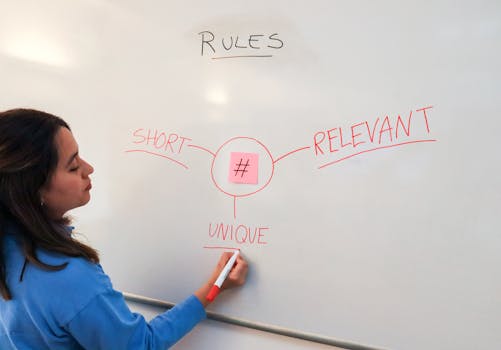
The building blocks to get right first
Four foundations carry most of the weight. Get these clear and every later decision, from signage to web copy, becomes faster and cheaper.
Start with your brand’s purpose
Purpose is the plain answer to why the business exists and what it is trying to do for the people it serves. It does not need to be lofty or poetic. It needs to be true, and it needs to guide choices when two options look equally sensible. Writing it down in a sentence or two gives you a reference point for everything from recruitment to which jobs you turn down.
Define your target audience
An audience described as anyone who needs what we do is not an audience. It is a hope. Useful audience work looks at who actually buys from you, what they are worried about, what they compare you against, and how they describe the problem you solve. A handful of honest customer conversations will tell you more than a survey nobody completes.
Craft a tone of voice that reflects the brand
Tone of voice is how the business sounds in writing and in person. It should match the experience customers get when they deal with you, because a mismatch is noticed quickly. A friendly, direct tone suits a business that answers the phone and knows its customers by name. Whatever you choose, document it briefly so that a new team member can pick it up without guessing.
Build a recognisable visual identity
Values, visual identity and tone of voice are the three building blocks most often cited when small business owners ask where to start. The visual side covers logo, colours, type and imagery, and it should be applied consistently across shopfronts, vans, quotes, invoices, packaging and your website. Consistency is what turns a set of design choices into recognition.
Research your competitors before you decide anything
Competitor research is the step small businesses skip most often, usually because owners feel they already know the local market. Knowing who else is out there is not the same as studying how they present themselves. Look at what rivals claim, what they avoid saying, which customers they seem to want, and where their presentation is weak. The gaps you find are often free positioning that nobody has claimed yet.
Find a distinct position and a clear message
Positioning is the space you occupy in a customer’s mind. Establishing a unique position in the market and crafting a compelling message are the two steps that turn research into something usable. In a small business context, distinct usually means specific: a particular type of customer, a particular standard of service, a particular specialism, or a particular area you serve properly rather than a wide area you cover thinly.

Affordable ways to strengthen a brand
Not every move requires a budget line. Several approaches recommended for smaller firms cost mainly in time and consistency.
| Approach | What it involves |
|---|---|
| Content marketing | Publishing useful material that establishes you as a subject matter expert in your field |
| Partnerships | Looking for partnership opportunities with complementary local businesses and shared audiences |
| Authentic identity | Creating a brand identity that genuinely reflects how the business operates day to day |
| Visual tools | Using accessible design and AI tools to produce consistent visual branding in house |
| Social automation | Scheduling and automating routine social media activity so the brand stays present without daily attention |
The common thread is repetition. A modest identity applied consistently for two years will outperform an expensive identity used inconsistently for the same period.
Keeping the brand consistent as you grow
Consistency is where most small brands drift. Different staff write in different styles, a printer chooses a near-match colour, a new service gets launched with improvised visuals, and gradually the business looks like several unrelated ones. Simple brand guidelines solve a large part of this. A short document covering the logo, colours, typefaces, tone, and examples of the right and wrong way to do things is usually enough to keep everyone aligned without turning creativity into paperwork.
When to bring in outside help
There is no rule about when a small business should hand brand work to a studio. A sensible trigger is when the business has outgrown its original identity, when DIY work is taking longer than the paid work it supports, or when you need a strategy session to settle decisions that keep resurfacing. DK DESIGNER, a branding and graphic design studio based in North Devon with almost three decades of industry experience, works with small businesses across Devon and beyond on audits, market research, competitor analysis, naming, positioning, identity, brand guidelines and digital design. The studio also runs bookable Branding Clinic consultations, which suit owners who want a focused conversation before committing to a full project.
Frequently Asked Questions
Is branding the same for every type of business?
No. The process can be reused, but the result should be specific. A strategy built on purpose, audience, tone of voice and visual identity will look very different for a cafe, a construction firm and a care provider because their customers, competitors and promises differ. Copying another sector’s branding usually produces something generic that fits nobody properly.
What should a small business work on first?
Start with purpose and audience. Both are inexpensive to work through and they shape everything else. Once you know who you serve and why you exist, tone of voice, positioning and visual identity become far easier decisions. Guidance from organisations such as the Federation of Small Businesses follows a similar order for that reason.
Do I need a logo before I have a brand strategy?
It is usually better the other way round. The logo is one part of the visual identity, and the visual identity should express values, audience and positioning that have already been decided. Designing a mark first often means redesigning it once the strategy becomes clear, which adds cost rather than saving it.
Can a small business build a brand on a limited budget?
Yes. Content marketing that demonstrates expertise, partnerships with complementary local businesses, a genuinely authentic identity, accessible visual design tools and automated social media activity are all approaches suited to smaller budgets. The bigger investment is consistency over time, since a brand builds recognition through repetition rather than through a single expensive project.
How do I keep a brand consistent as the business grows?
Write short brand guidelines and actually use them. Cover the logo, colours, typefaces, tone of voice, and include examples of correct and incorrect application. Share the document with anyone producing anything on the business’s behalf, from printers to freelancers. Brief, practical guidelines are followed far more often than long, detailed brand manuals.


