Category: Uncategorized

  • Brand Strategy for Small Businesses: A 2026 Guide

    Brand Strategy for Small Businesses: A 2026 Guide

    Brand strategy sounds like something only companies with marketing departments can justify. In practice, it is the set of decisions that explains who you are, who you serve, and why somebody should choose you rather than the business two streets away. Small businesses make those decisions whether they plan to or not. The only real question is whether they are made on purpose.

    This guide sets out what a brand strategy covers, why it matters for a business with a handful of staff, and which parts to work on first when time and money are both tight.

    What a brand strategy actually covers

    A brand strategy is not a logo, a colour palette or a social media calendar. Those are outputs. The strategy is the thinking underneath them, and it usually includes a handful of connected elements:

    • A clear understanding of your brand’s purpose, or the reason the business exists beyond making a sale
    • A defined target audience, described specifically enough to be useful
    • A tone of voice that reflects the brand and sounds like a real person
    • A distinct position in your market, so you are known for something particular
    • A recognisable visual identity that carries your values across every touchpoint
    • Competitor research, so your choices are made with awareness rather than assumption

    Written guidance from the Federation of Small Businesses and from Adobe’s brand strategy material both start in the same place: define the brand, identify the audience, and only then move on to tone, messaging and design. Skipping straight to the visuals is the most common shortcut, and it usually means paying for design work twice.

    Do small businesses really need branding?

    Yes, and for reasons that have little to do with looking polished. Branding is what helps customers recognise you, remember you, and come back. It is also what separates you from every other firm offering a similar service at a similar price. A small business without a clear brand is competing on price alone, which is an exhausting place to be.

    A question that comes up regularly among owners is whether branding works the same way for every type of business. The honest answer is no. The process is reusable, but the outcome should be specific to your sector, your customers and your location. A care provider, a building firm and a cafe can follow the same steps and end up with three completely different brands, which is exactly how it should work.
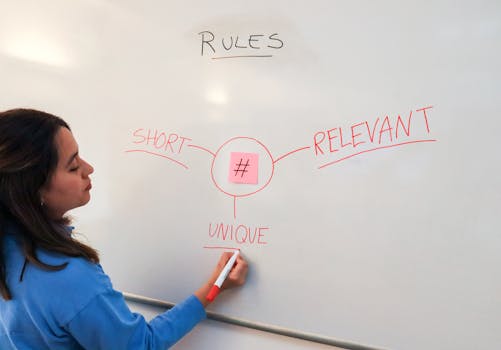
    brand workshop
    Photo by Walls.io on Pexels

    The building blocks to get right first

    Four foundations carry most of the weight. Get these clear and every later decision, from signage to web copy, becomes faster and cheaper.

    Start with your brand’s purpose

    Purpose is the plain answer to why the business exists and what it is trying to do for the people it serves. It does not need to be lofty or poetic. It needs to be true, and it needs to guide choices when two options look equally sensible. Writing it down in a sentence or two gives you a reference point for everything from recruitment to which jobs you turn down.

    Define your target audience

    An audience described as anyone who needs what we do is not an audience. It is a hope. Useful audience work looks at who actually buys from you, what they are worried about, what they compare you against, and how they describe the problem you solve. A handful of honest customer conversations will tell you more than a survey nobody completes.

    Craft a tone of voice that reflects the brand

    Tone of voice is how the business sounds in writing and in person. It should match the experience customers get when they deal with you, because a mismatch is noticed quickly. A friendly, direct tone suits a business that answers the phone and knows its customers by name. Whatever you choose, document it briefly so that a new team member can pick it up without guessing.

    Build a recognisable visual identity

    Values, visual identity and tone of voice are the three building blocks most often cited when small business owners ask where to start. The visual side covers logo, colours, type and imagery, and it should be applied consistently across shopfronts, vans, quotes, invoices, packaging and your website. Consistency is what turns a set of design choices into recognition.

    Research your competitors before you decide anything

    Competitor research is the step small businesses skip most often, usually because owners feel they already know the local market. Knowing who else is out there is not the same as studying how they present themselves. Look at what rivals claim, what they avoid saying, which customers they seem to want, and where their presentation is weak. The gaps you find are often free positioning that nobody has claimed yet.

    Find a distinct position and a clear message

    Positioning is the space you occupy in a customer’s mind. Establishing a unique position in the market and crafting a compelling message are the two steps that turn research into something usable. In a small business context, distinct usually means specific: a particular type of customer, a particular standard of service, a particular specialism, or a particular area you serve properly rather than a wide area you cover thinly.
    graphic design studio
    Photo by Pixabay on Pexels

    Affordable ways to strengthen a brand

    Not every move requires a budget line. Several approaches recommended for smaller firms cost mainly in time and consistency.

    ApproachWhat it involves
    Content marketingPublishing useful material that establishes you as a subject matter expert in your field
    PartnershipsLooking for partnership opportunities with complementary local businesses and shared audiences
    Authentic identityCreating a brand identity that genuinely reflects how the business operates day to day
    Visual toolsUsing accessible design and AI tools to produce consistent visual branding in house
    Social automationScheduling and automating routine social media activity so the brand stays present without daily attention

    The common thread is repetition. A modest identity applied consistently for two years will outperform an expensive identity used inconsistently for the same period.

    Keeping the brand consistent as you grow

    Consistency is where most small brands drift. Different staff write in different styles, a printer chooses a near-match colour, a new service gets launched with improvised visuals, and gradually the business looks like several unrelated ones. Simple brand guidelines solve a large part of this. A short document covering the logo, colours, typefaces, tone, and examples of the right and wrong way to do things is usually enough to keep everyone aligned without turning creativity into paperwork.
    market research
    Photo by RDNE Stock project on Pexels

    When to bring in outside help

    There is no rule about when a small business should hand brand work to a studio. A sensible trigger is when the business has outgrown its original identity, when DIY work is taking longer than the paid work it supports, or when you need a strategy session to settle decisions that keep resurfacing. DK DESIGNER, a branding and graphic design studio based in North Devon with almost three decades of industry experience, works with small businesses across Devon and beyond on audits, market research, competitor analysis, naming, positioning, identity, brand guidelines and digital design. The studio also runs bookable Branding Clinic consultations, which suit owners who want a focused conversation before committing to a full project.

    Frequently Asked Questions

    Is branding the same for every type of business?

    No. The process can be reused, but the result should be specific. A strategy built on purpose, audience, tone of voice and visual identity will look very different for a cafe, a construction firm and a care provider because their customers, competitors and promises differ. Copying another sector’s branding usually produces something generic that fits nobody properly.

    What should a small business work on first?

    Start with purpose and audience. Both are inexpensive to work through and they shape everything else. Once you know who you serve and why you exist, tone of voice, positioning and visual identity become far easier decisions. Guidance from organisations such as the Federation of Small Businesses follows a similar order for that reason.

    Do I need a logo before I have a brand strategy?

    It is usually better the other way round. The logo is one part of the visual identity, and the visual identity should express values, audience and positioning that have already been decided. Designing a mark first often means redesigning it once the strategy becomes clear, which adds cost rather than saving it.

    Can a small business build a brand on a limited budget?

    Yes. Content marketing that demonstrates expertise, partnerships with complementary local businesses, a genuinely authentic identity, accessible visual design tools and automated social media activity are all approaches suited to smaller budgets. The bigger investment is consistency over time, since a brand builds recognition through repetition rather than through a single expensive project.

    How do I keep a brand consistent as the business grows?

    Write short brand guidelines and actually use them. Cover the logo, colours, typefaces, tone of voice, and include examples of correct and incorrect application. Share the document with anyone producing anything on the business’s behalf, from printers to freelancers. Brief, practical guidelines are followed far more often than long, detailed brand manuals.

  • Branding Strategy for Small Devon Businesses: A Beginner’s Guide

    In this beginner-friendly guide, you’ll learn how to develop a simple but effective branding strategy tailored to your small business. By the end, you’ll know how to identify your audience, shape your brand personality, design your visual identity, and put it all into practice consistently.


    When first talking to small businesses in Devon about branding. I often get a blank look. I can see them all thinking “I’m a small business – why do I need to worry about my branding strategy – it’s just a headache I don’t need, I have a logo, a website and a business card, what’s to think about?”:

    1. What exactly is branding, and how is it different from marketing?
    2. Do I really need branding if my business is small or local?
    3. Where do I start – a logo, website, or social media?
    4. How do I know who my target audience is?
    5. How do I make my brand stand out from bigger competitors?
    6. Do I have to spend a lot of money to build a brand?
    7. How do I stay consistent across print, shopfront, and digital channels?
    8. What if my business changes — do I need to re-brand?
    9. How long does branding take to work?
    10. Can I do this myself, or do I need professional help?

    Explanation: Branding is the overall impression people have of your business. It’s not just your logo — it’s your values, story, tone, and design. This builds a memory that is buried deep in your audience’s mind so that when they think of ‘accountant,’ for example, they immediately think of you. To do this, we use a number of different questions, but in the beginning, you need to create your foundations.
    Tips:

    • Think about what makes your business unique in Devon.
    • Write down three words you want people to feel when they think of you.
    • Don’t confuse branding (identity) with marketing (promotion).

    Explanation: Your brand should be shaped around the people you want to attract. If you try to appeal to everyone, you’ll appeal to no one. Find your Niche; your point of differentiation what makes you different and unique is what will build your tribe.
    Tips:

    • Create a simple customer profile: age, location, needs, pain points.
    • Speak to your best customers and ask what they value.
    • Use local insights — Devon audiences often respond well to authenticity and community ties.
      Tools: Google My Business insights, social media analytics, or free customer survey tools.

    Explanation: Decide how your business “talks” and behaves. Are you friendly and informal, or professional and authoritative? Are you telling customers how to solve a problem or are you encouraging customers to solve the problem for themselves?
    Tips:

    • Write a short brand statement: “We are [tone] for [audience].”
    • Keep language simple and approachable for beginners.
    • Test your messaging with friends or customers for clarity.
      Resources: HubSpot’s free brand voice templates.

    Explanation: Your visuals (logo, colours, fonts, imagery) create instant recognition.
    Tips:

    • Pick no more than three core colours.
    • Use free tools like Canvas if you’re starting out.
    • Make sure your design works in black and white as well as colour.
      Warning: Don’t copy competitors — it makes you forgettable.

    Explanation: Consistency builds trust. Use the same look, tone, and messaging across every touch point.
    Tips:

    • Create a simple style guide (colours, fonts, logo use).
    • Check your website, social media, and print materials for alignment.
    • Train staff to communicate in the same brand tone.
      Tools: Canvas Brand Kit, free brand guideline templates.

    Explanation: A strong brand reassures people that you’re reliable and worth their money.
    Tips:

    • Share customer reviews or testimonials.
    • Highlight local partnerships or community involvement.
    • Be consistent in service as well as visuals.

    Explanation: Brands evolve as your business grows. Review yours every year.
    Tips:

    • Ask customers for honest feedback.
    • Stay aware of competitors in Devon and beyond.
    • Don’t be afraid to refresh if your visuals or messaging feel outdated.

    • Mistake: Focusing only on the logo.
      Solution: Remember branding is the whole experience, not just visuals.
    • Mistake: Copying big competitors.
      Solution: Emphasise your local roots and unique personality.
    • Mistake: Inconsistent design across platforms.
      Solution: Use a brand kit or style guide.
    • Mistake: Over complicating things.
      Solution: Keep your brand simple and easy to understand.

    Q: Do I need to hire a designer?
    A: Not always. Tools like Canvas can help you start, but a professional ensures polish.

    Q: How much does branding cost?
    A: It varies. You can start free and invest as you grow.

    Q: How long until I see results?
    A: Branding builds over time. Expect months, not days.

    Q: Can I re-brand later?
    A: Yes, many small businesses evolve and re brand after a few years.


    • Develop a full brand strategy document.
    • Explore storytelling in marketing campaigns.
    • Use brand photography instead of stock images.
    • Expand into video branding and content marketing.

    • Brand Identity: The visual and verbal elements (logo, colours, tone) of your brand.
    • Tone of Voice: How your brand “speaks” to customers.
    • Target Audience: The specific group of people you want to reach.
    • Brand Guidelines: A set of rules for keeping branding consistent.

    • Diagram showing “Branding vs Marketing” differences.
    • Template of a simple customer profile.
    • Example colour palette with dos and don’t s.
    • Screenshot of a Canvas Brand Kit.

    Branding might feel overwhelming at first, but for small Devon businesses it’s one of the most powerful ways to stand out. By understanding what branding really means, defining your audience, shaping your personality, and keeping your identity consistent, you’ll build trust and recognition in your community. Start small, keep it simple, and remember: your brand is your reputation. With a little focus, you can turn your business into one that people remember and recommend.

  • Branding & Photography

    Branding & Photography

    You’re not alone in that. Every client I’ve ever worked with has said the same thing. Being in front of a camera feels uncomfortable, awkward and, if we’re honest, a bit exposing. It’s hard to relax, and even harder to feel like the final image truly represents you.

    The doubts creep in quickly. Do I look like the person I think I am? Am I presenting my business in the right way? Will this connect with my audience? Do people really want to see my face across my website? It’s easy to compare yourself to others and feel like you don’t quite measure up.


    Take a moment to think about how you approach a meeting with a potential client. You prepare, you do your homework, and often you’ll look them up beforehand. When you’ve already seen someone’s face before walking into the room, something shifts. You feel more at ease. There’s a sense of recognition. The conversation starts more naturally and the connection happens faster.

    That isn’t accidental. Humans are wired to trust what feels familiar. Psychologists refer to it as the mere exposure effect. The more we see something, the more comfortable we feel with it. A good photograph creates that familiarity before you’ve even had a conversation. When someone lands on your website or your LinkedIn profile and sees your face, you’re no longer just a name or a logo. You’re a person. And that changes how you’re perceived.

    Part of the discomfort we feel about our own image comes from the idea that a photograph is permanent. It feels like a single moment, frozen in time, representing you indefinitely. That’s a lot of pressure to place on one image. In reality, we all know we don’t look the same every day. A poor night’s sleep, a long week, or simply catching the wrong moment can change how we feel about how we look.

    In everyday life, we accept that. But when it’s captured in a photograph, it suddenly feels fixed, as though that’s how we’ll always be seen. The truth is, it isn’t. We take photos constantly now. Phones, selfies, video calls. Your image is not one static moment; it’s a collection of impressions over time.

    A photograph is simply a glimpse of reality. It cuts through the version we have in our heads and shows how others actually see us. That can feel uncomfortable, but it’s also where its power lies. As Ivan Turgenev once wrote, “The drawing shows me at one glance what might be spread over ten pages in a book.” A single image communicates instantly what words often cannot.

    This is where brand photography comes into its own. It isn’t about taking a nice picture. It’s about understanding who you are, what your business stands for, and how you want to be seen.

    I spoke to Lucy Holding at a recent event and asked her exactly that. Her answer went far beyond the camera. It starts with conversation. Understanding the business, the person behind it, what drives them, and what they want to achieve. It’s not just about taking photos; it’s about translating all of that into something visual.

    That process does something interesting. It forces clarity. You begin to think more deeply about your business. Your message becomes sharper. Your positioning becomes clearer. And that clarity feeds directly into the images being created.

    From there, everything becomes intentional. What you wear, where the photos are taken, how you present yourself. It’s all considered and aligned with how you want to be perceived. The result is not just a good photo, but a set of images that genuinely represent you and your business.

    At its core, brand photography is about connection. It shortens the distance between you and your audience. It helps people feel like they know you before they’ve even met you. In a world where people are overwhelmed with choice, that human connection is often what makes the difference.

    It’s not about vanity. It’s about visibility.

    I’ll be honest, I’ve had photos taken that I didn’t like. In fact, I recently had one taken by Lucy that, objectively, is a great image, and I still struggled with it. But I’m using it anyway. Because it does its job. It shows me as I am, it helps people recognise me, and it makes it easier for someone to start a conversation.

    And that’s what really matters.

  • Consider Branding The Bathroom?

    Consider Branding The Bathroom?

    This morning I was watching the news — as I tend to do, seeing what’s going on in the world. It’s always a mixed bag: awful things, hopeful things, relentless things. Here in North Devon, though, there’s a kind of quiet optimism. We’ve got a great community, people who smile easily, who help each other, who believe in small businesses, in doing the right thing. Yes, there are issues — always are —, but I feel less weighed down by the negative here, more boosted by the positive.

    Something caught my eye in the headlines today: an article about nightclubs in Nigeria, and how the bathroom — yes, the loo, the sink, the mirror room — has become a showpiece. It’s not just about functionality anymore. It’s become part of the vibe, part of the branding, part of the Instagram feed. And it made me think: we rely so heavily on tourists here in Devon and Cornwall. Small independent cafés, eateries, pubs — they all live through the summer, hope for the winter. Every detail matters.


    Here’s what the Nigeria story is telling us, and it’s more than just cute décor. In places like Lagos, Abuja, and even Kano in the north, bars and nightclubs are redecorating their restrooms. Think marbled walls (sometimes faux), lots of mirrors, fancy lighting, and wallpapers (floral, tropical, psychedelic patterns). They’re making these spaces designed for selfies.

    Some venues go further: Zaza, a well-known lounge in Lagos, has a button in the bathroom that delivers a complimentary glass of champagne through a small window. It’s not just glamour — it’s a statement, an experience.

    There’s an incentive: people love to share. Influencers are already going in, taking pictures of themselves in the loo. Sometimes, one of the first things they’ll do when they arrive somewhere “trendy” is head to the restroom with friends, find good angles. The free publicity is huge. A business posts one photo of a glam loo, and instantly, people want to visit. Rococo in Lagos says they posted a bathroom photo before opening, and got 200 booking requests within hours, from people who thought the restrooms were the restaurant.

    The style varies by region: in the more conservative north (Kano), what people wear might differ, makeup subtler, but once inside those mirror rooms, many behaviours are similar. Finding angles, adjusting outfits, posing.

    Original Article: In Nigeria’s Nightclubs, The Bathroom Selfie is King or Rather Queen


    Reading this made me reflect: what if part of the reason our hospitality places survive (or don’t) is that they overlook something as seemingly trivial as the loo?

    Because when you’re a tourist, or even a local who wants memorable experiences, every touchpoint matters. The taste of the food, yes. The friendliness of the staff, absolutely. But look and feel matter: the lighting at dinner, the music background, the smell, the décor, even the bathrooms.

    Here are some of my thoughts:

    • Branding through detail: If your café or pub can offer a bathroom that’s clean, fresh-smelling, nicely decorated, with good lighting and mirrors, that tells people “we care.” It suggests quality, thoughtfulness.
    • Social media potential: We send photos of food, scenery, and friends. Why not the loo? Many people don’t think of that, but photos get shared. It’s marketing without advertising. If someone tags your place because the loo was surprisingly lovely, that’s pure gold.
    • Customer comfort and memory: Dirty, smelly, dark toilets leave impressions. Negative ones. Good toilets may not be noticed highly, but bad ones stick. I still remember awful, nasty club loos from the ’90s — smells, filth. Horrible memories. But I also remember places that surprised me positively.
    • Seasonal differences: In winter or quieter months, tourists dwindle. Locals might still come, but expectations stay. If your place is open year-round (or tries to be), consistent quality becomes even more important. The little things can make you stand out.

    What Nigerian Clubs Are Doing That We Could Take On

    From what the article shows, these are some practical things being done in Nigeria that could give ideas:

    • Mirrors arranged for different angles; lots of them.
    • Strong lighting: exposed bulbs, soft yet flattering lights.
    • Decorative walls — floral, tropical, bold patterns — something photogenic.
    • Sometimes novelty touches: champagne delivery, “selfie rooms” beside bathrooms.
    • Micro details – plants, hooks and places to put your things while you take the picture.
    • Messaging/video: playful signs (“No selfies in the restroom… just kidding.”) that draw attention and encourage the behaviour.

    What to Watch Out For (and What to Do Easily)

    Not everything requires a full refit or big spend. Some pitfalls and practical tips:

    • Don’t overdo: If decor feels excessive, it can feel pretentious or gaudy, especially if other parts of the business don’t match up. Consistency is key.
    • Maintenance: A fancy loo that isn’t clean becomes worse than a simple one that is. Keep cleaning to a high standard. Light bulbs are working. Mirrors streak-free. Smells gone.
    • Lighting: Natural light or warm, flattering lighting is better. Harsh fluorescents are cruel for selfies.
    • Design that helps: Mirrors strategically placed, perhaps a ledge or small shelf so people can rest their things while taking a selfie, hooks, etc.
    • Engagement: Signage, small playful touches. Maybe even invite people to “share your loo selfie with #MyPlaceName,” etc. Social media friendly.
    • Budgeting: Start small. Maybe repaint, add a mirror, change lighting, add some plants. Not everyone needs gold-leaf or chandeliers.

    Conclusion

    So yes, I think the bathroom is a detail often overlooked. We think about menus, signage, service, views, and weather. But the loo’s? They are part of the theatre. They’re part of the story you tell your visitors. And in a place like North Devon, where the difference between a café closing in winter or surviving often comes down to repeat custom, word-of-mouth, and standing out just a little bit — these micro details matter. Maybe more than we think.

    If you’re setting up a café or running a pub or coffee shop, don’t treat the “loo” as an afterthought. Treat it as part of the brand. Because sometimes, the difference between “nice day out” and “memorable day” is whether it’s worth sending a photo of the loo to your friends.

    Original Article: In Nigeria’s Nightclubs, The Bathroom Selfie is King or Rather Queen

    Get in touch if you would like to have a chat about your business branding.

  • How Gen Z & Gen Alpha Are Shaping Branding in 2025

    How Gen Z & Gen Alpha Are Shaping Branding in 2025

    In an era of rapid technological advancements and evolving social values, the influence of younger generations on branding has never been more profound. As we move into 2025, both Gen Z (born between 1997 and 2012) and the emerging Gen Alpha (born from 2013 onwards) are redefining how brands communicate, engage, and create value. Gen Z & Gen Alpha are not just consumers—they are active participants, demanding authenticity, inclusivity, and purpose from the brands they support.

    The Rise of Value-Driven Branding FOR Gen Z & Gen Alpha

    Gen Z & Gen Alpha prioritise brands that stand for something beyond profit. They expect companies to take clear stances on social, environmental, and political issues. Climate change, diversity, and mental health awareness are not optional talking points but essential aspects of brand identity. Companies that fail to align their values with these causes risk alienating these socially conscious generations.

    Brands like Patagonia and Ben & Jerry’s have already set examples of purpose-driven branding, but by 2025, even smaller brands are expected to follow suit. Transparency, traceability, and corporate accountability will continue to be key differentiators in winning the loyalty of young consumers.

    Digital Natives Demand Digital Innovation

    Both Gen Z & Gen Alpha are digital natives, having grown up in a world dominated by smartphones, social media, and instant access to information. For these generations, a brand’s digital presence is as important as its physical products. Interactive content, augmented reality (AR), and personalised experiences are becoming standard expectations.

    Social media platforms like TikTok, Instagram, and emerging virtual spaces in the metaverse have become vital arenas for brand engagement. Gen Z prefers authentic, unfiltered content over traditional advertising, while Gen Alpha—with even more exposure to gamified experiences—expects seamless integration of play and commerce.

    Community-Centric Engagement FOR Gen Z & Gen Alpha

    The younger generations are drawn to brands that foster a sense of belonging and community. Instead of being passive recipients of marketing messages, they want to co-create with brands. User-generated content, brand challenges, and interactive campaigns are some of the ways brands involve their customers.

    Additionally, loyalty programmes are being reimagined to offer more than just discounts. In 2025, loyalty might mean exclusive virtual experiences, early access to digital collectables, or membership in exclusive online communities.

    The Influence of Influencers

    The power of influencer marketing continues to grow, but the focus is shifting towards micro and nano-influencers who bring authenticity and relatability. Gen Z & Gen Alpha trust recommendations from individuals they feel they can relate to, rather than celebrity endorsements.

    Brands in 2025 are expected to build long-term relationships with influencers who align with their values, creating campaigns that feel organic rather than transactional.

    Hyper-Personalisation is the Norm

    Personalisation is no longer a bonus but an expectation. With advancements in AI and data analytics, brands in 2025 will deliver hyper-personalised content, products, and services. From customised product recommendations to AI-driven customer service, the younger generations value experiences tailored specifically to them.

    However, with personalisation comes a demand for privacy and data security. Brands must be transparent about how they collect, store, and use data to maintain trust.

    Gen Z & Gen Alpha – Final Thoughts

    As Gen Z matures and Gen Alpha begins to assert its influence, brands must adapt to a landscape shaped by digital fluency, social responsibility, and community engagement. Companies that listen, innovate, and stay true to their values will thrive in the market of 2025.

    In this ever-evolving world of branding, one thing is clear: the future belongs to those who understand the voices of these influential generations and respond with authenticity, innovation, and purpose.

    get in touch

    Fill out the form below. It doesn’t have to be detailed; simply fill in the fields, tell me a bit about your business when it will be a good time to call. We will set up a good time for your to chat.

    If you prefer, simply click the link at the top of any page and create an appointment for us to have a call.

    Make an appointment!

    What can we do? find out here: Our Work

    Tell us a bit about your current position.
  • Unlock the Next Level for Your Business: Welcome to the Branding Clinic

    Unlock the Next Level for Your Business: Welcome to the Branding Clinic

    Are you launching a new business or looking to elevate your existing one? Strong branding is key if you want to make a lasting impression—and we’re here to help with our branding clinic.

    Introducing the Branding Clinic: Crafting a Memorable Identity

    Branding is more than just a logo; it’s about creating a distinct identity that resonates with your target audience. At its core, branding includes a company’s name, logo, visual identity, mission, values, and tone of voice. When done right, it ensures that your business stands out in a crowded market and leaves a lasting impression on customers and the general public.

    Here at the DK Designer, we’ve helped businesses craft cohesive and recognizable brands. From signage to business cards, we create a consistent image that ties everything together, making every customer interaction meaningful. While each element requires a different application, they all come together to speak with one unified voice.

    Why Branding Matters

    Building a strong brand:

    • Builds trust and recognition
    • Enhances customer loyalty
    • Differentiates your business from competitors
    • Creates emotional connections with your audience

    What are we talking about? Here is a project showing how branding works across a range of applications and how it can bring a logo to life while delivering a branded experience to your customer.

    Ready to Elevate Your Marketing?

    Whether you’re just starting or want to breathe new life into your existing marketing efforts, our Branding Clinic can help. We offer a free consultation to discuss your current branding and explore ways to improve it. Together, we’ll identify what makes your business unique and how to communicate that effectively to your audience.

    How The Branding Clinic Works

    After you have contacted and organised your spot – whenever it fits into your working week, we will take a look at what you have currently, look into the market sectors and build a picture of your business from a customer perspective. Let us know your main touch points (sales calls, typical conversations, email traffic) and we will be able to fill out that picture further.

    When we have our discussion we can then make suggestions to improve your ability to connect with your customers in the way you want to, exploring effective ways using our experience to deliver a better brand experience and improve your potential for success.

    Typically a call will only take an hour or so to complete. We can then schedule work at a later date if you would like to work with us, or you can go to your current designers armed with new knowledge. As a Bideford-based business, our goal is to elevate the whole area, improving businesses to maximize their potential.

    Book Your Spot Today

    Don’t miss the chance to transform your business. Get in touch now to secure your spot in our Branding Clinic—spaces are limited!

    get in touch

    Fill out the form below. It doesn’t have to be detailed; simply fill in the fields, tell me a bit about your business when it will be a good time to call. We will set up a good time for your to chat.

    If you prefer, simply click the link at the top of any page and create an appointment for us to have a call.

    Make an appointment!

    What can we do? find out here: Our Work

    Tell us a bit about your current position.
  • The Impact of a Well-Designed Shop Front: Why Strong Branding Boosts Sales in Small-Town Retail

    The Impact of a Well-Designed Shop Front: Why Strong Branding Boosts Sales in Small-Town Retail

    In a small town, where foot traffic and personal recommendations can make a significant difference, a well-designed shop front is more than just a pretty face—it’s a business asset. The appearance of your storefront can influence customer behaviour, draw in passersby, and, ultimately, improve your sales. Let’s take a look at why investing in an appealing, strongly branded shopfront is crucial for small-town retailers, and how it can directly impact your bottom line.

    The Numbers Don’t Lie: The Value of a Great Shop Front

    Statistics clearly show that a well-designed, attractive storefront drives foot traffic and sales:

    • 70% of first-time customers decide to enter a store purely based on its external appearance (Business of Fashion).
    • 80% of retail sales still happen in physical stores, despite the rise of e-commerce (RetailNext).
    • Shops with eye-catching facades experience up to a 20% increase in foot traffic, compared to those with unremarkable designs (Journal of Retailing).
    • Once inside, customers are 60% more likely to make a purchase if the shop front aligns with their expectations of the store’s quality and atmosphere.

    For a small-town business, where every potential customer walking by is an opportunity, these figures highlight just how important your shop front is. It’s not just about aesthetics—it’s a proven sales driver.

    First Impressions Matter: The Psychology of Shop Fronts

    Humans are wired to make snap judgments based on what we see. According to the Journal of Consumer Psychology, it takes just 50 milliseconds—less than the blink of an eye—for someone to form an impression. Your shop front is the first point of contact between your business and potential customers, and it shapes their perception before they even step through the door.

    Several key design elements can greatly influence customer behaviour:

    • Colour: About 85% of shoppers say colour is the primary reason they choose a product. Bright colours can signal excitement, while softer tones evoke calm or luxury.
    • Typography: Fonts help convey the personality of your store. Playful fonts might appeal to younger shoppers, while bold, clean typography signals professionalism.
    • Lighting: Well-lit shop fronts attract attention, even after dark. Proper lighting makes your store more inviting and highlights your best products.

    These psychological cues play a critical role in driving customers into your store. In fact, 52% of shoppers avoid a store entirely if they find its exterior unappealing (Retail Dive).

    Branding Boosts Trust and Loyalty

    A strong, recognizable brand is a powerful asset in retail, especially for small-town businesses where customer loyalty is crucial. 59% of consumers prefer to shop with brands they know (Nielsen). A well-branded shop front communicates trust, professionalism, and quality, reassuring potential customers that their shopping experience will meet or exceed their expectations.

    In small towns, where word of mouth can significantly impact foot traffic, a standout storefront also helps distinguish your business from competitors and creates a sense of community. Over time, this builds customer loyalty, turning first-time visitors into regular patrons.

    How a Well-Designed Shop Front Increases Sales

    Let’s break down the key ways a well-designed shop front boosts your store’s performance:

    1. Increased Foot Traffic: Shops with appealing facades can see a 15-20% increase in foot traffic, which is crucial for small-town retailers where every passerby counts.
    2. Higher Conversion Rates: Once customers are inside, they’re 60% more likely to buy if the shop front has set the right tone by matching the store’s quality with their expectations.
    3. Customer Retention: A strong, visually appealing brand encourages repeat business. Customers are more likely to return to a store that consistently delivers a positive experience, both in appearance and service.

    Tips for Designing a Compelling Shop Front

    Here are some actionable steps you can take to ensure your shop front attracts more customers:

    • Use Color and Design Wisely: Choose colours that reflect your brand and appeal to your target audience. Make sure your branding—logo, fonts, and signage—is easy to read and instantly recognizable.
    • Update Your Displays Regularly: Fresh, eye-catching window displays can grab attention and keep your store looking relevant. Seasonal updates also show that your store is active and engaged with the community.
    • Invest in Good Lighting: Good lighting draws attention and makes your shop inviting, especially during evening hours.
    • Highlight Your Unique Identity: In small towns, customers often prefer businesses that feel local and authentic. Incorporate design elements that reflect the town’s character or connect with the local community to strengthen your brand identity.

    Conclusion: A Shop Front is More Than Just a Facade

    A well-designed shop front is not just a surface-level investment—it directly influences foot traffic, customer behaviour, and sales. For small-town retailers, where every customer counts, investing in an appealing, branded storefront is essential. With statistics showing that up to 70% of customers are drawn to stores based on appearance alone, your shop front is your most powerful marketing tool.

    By aligning design, branding, and psychology, you can create a shop front that not only looks good but also boosts sales and builds lasting customer loyalty.

    get in touch

    Fill out the form below. It doesn’t have to be detailed; simply fill in the fields, tell me a bit about your business when it will be a good time to call. We will set up a good time for your to chat.

    If you prefer, simply click the link at the top of any page and create an appointment for us to have a call.

    Make an appointment!

    What can we do? find out here: Our Work

    Tell us a bit about your current position.

  • How to Set Up a Business Website from Scratch: A Step-by-Step Guide (With Costs)

    How to Set Up a Business Website from Scratch: A Step-by-Step Guide (With Costs)

    In today’s digital world, your business needs a strong online presence, and the first step to achieving that is setting up a professional website. Whether you’re launching a new product, starting a service, or building a personal brand, this guide will take you through the key steps needed to create a fully functional business website from scratch, including the associated costs.

    Step 1: Decide on Your Business Name

    Choosing the right name for your business is critical. It should be both relevant to your business offerings and appealing to your target audience. A catchy and unique name can help you stand out in the crowded online marketplace, but be careful not to stray too far from what your business actually does. Your business name should clearly communicate your service or product.

    Pro Tip: Your branding doesn’t have to match the official name on your business registration (e.g., Limited or LLP). As long as you mention somewhere on your site, such as in the terms and conditions, that your business is “X trading as Y,” you are legally covered. This allows you more flexibility when naming your business online.

    Step 2: Purchase a Domain Name

    Once you’ve settled on a name, it’s time to secure your domain name (the web address where users will find your site). Think of your domain as your website’s “postal address” – it’s how customers will locate you on the internet.

    Head over to SiteGround, a reliable web hosting provider that simplifies this process. You can quickly search for available domain names, and SiteGround will help you purchase one if your desired name is still available.

    Domain Name Cost (UK): On SiteGround, the cost of a .co.uk domain starts at around £12/year.

    Key Tips for Choosing a Domain Name:

    • Keep it simple: Easy to spell and remember.
    • Stay on brand: Make sure it reflects your business or product.
    • Use the right extension: “.com” is the most common, but country-specific extensions like “.co.uk” can help with local branding.

    Step 3: Set Up Hosting

    Next, you’ll need to set up web hosting. Think of hosting as the physical space where your website lives on the internet – much like a house holds your belongings, web hosting holds your website files. This is crucial for your site’s speed, security, and performance.

    When you purchase your hosting package through SiteGround, it’s an easy, user-friendly process. They offer several hosting plans depending on the size of your business and your website’s needs.

    Basic Hosting Cost: SiteGround offers a StartUp hosting plan that costs £2.99/month (discounted for the first year) or around £35.88/year for the first year, excluding VAT.

    Why SiteGround?

    • Fast and secure: Known for their excellent uptime and customer service.
    • Easy integration: Includes simple tools for integrating with WordPress and other platforms.
    • Scalable: If your business grows, you can upgrade to a higher-tier hosting plan with ease.

    Step 4: Choose Your Website Platform

    After setting up your hosting, it’s time to choose a platform on which to build your website. One of the most popular and versatile options is WordPress, a content management system (CMS) that powers over 40% of all websites worldwide. SiteGround offers one-click WordPress installation, making it easy for you to get started quickly.

    Why WordPress?

    • Beginner-friendly: No coding skills required.
    • Customizable: Thousands of themes and plugins are available, allowing you to tailor your site to your specific needs.
    • SEO-friendly: WordPress makes it easy to optimize your site for search engines, helping you rank higher on Google and attract more visitors.

    WordPress Cost: Free (Premium themes and plugins may come with additional costs).

    Step 5: Add Functionality with WooCommerce (For Online Shops)

    If you’re planning to sell products or services directly from your website, you’ll want to turn your WordPress site into an online shop. The best tool for this is WooCommerce, a powerful eCommerce plugin designed for WordPress.

    WooCommerce might have a slightly unusual name, but don’t let that deter you. It’s user-friendly, fully customizable, and allows you to:

    • Manage inventory: Keep track of products, stock levels, and variations.
    • Process payments: Accept major payment methods, including credit cards, PayPal, and more.
    • Track orders: View, manage, and fulfill customer orders with ease.
    • Calculate shipping: Set up shipping rates for different locations.

    WooCommerce Cost: Free (Some premium plugins and themes may come at additional costs).

    Step 6: Design Your Website

    Now comes the fun part – designing your website! WordPress offers a wide variety of themes that determine your website’s look and feel. You can choose from free or premium themes, many of which are specifically designed for businesses. Make sure your design is:

    • User-friendly: Easy to navigate, especially for visitors who are new to your site.
    • Mobile-responsive: Most people browse websites on their smartphones, so ensure your site looks great on mobile devices.
    • On-brand: Reflect your business colors, logos, and fonts consistently across all pages.

    Premium Theme Cost: Free options are available, but premium WordPress themes can range from £30 to £80 as a one-time purchase.

    Step 7: Create Essential Pages

    When setting up your business website, certain pages are essential for both functionality and user experience. These include:

    • Home Page: The first thing visitors see. It should clearly explain what your business offers.
    • About Us: Tell your story, mission, and what sets you apart from competitors.
    • Contact Page: Provide an easy way for customers to get in touch, whether via a contact form, email, or phone number.
    • Product/Service Pages: If applicable, showcase what you offer with high-quality images and detailed descriptions.
    • Terms and Conditions: Clearly outline your business practices, returns policies, and privacy standards.

    Step 8: Optimise for SEO

    Search engine optimization (SEO) is the key to helping potential customers find your website. Here are a few quick ways to improve your website’s SEO:

    • Use keywords: Research relevant keywords and incorporate them into your content naturally.
    • Write high-quality content: Publish informative and helpful blog posts or articles that resonate with your audience.
    • Optimize your images: Use appropriate file sizes and include descriptive alt-text for all images.
    • Add internal and external links: Link to other relevant pages on your website and reputable external sources.
    • Install an SEO plugin: Tools like Yoast SEO or Rank Math can guide you in optimizing your content for search engines.

    SEO Plugin Cost: Free versions of Yoast SEO and Rank Math are available (Premium versions start from £79/year).

    Step 9: Launch Your Website!

    Once you’ve set everything up – your domain, hosting, design, and essential pages – it’s time to go live! Before launching, double-check that everything is working correctly, including your contact forms, payment gateway (if applicable), and mobile responsiveness.

    Total Estimated Costs for a Basic Business Website (First Year – 2024):

    • Domain Name (co.uk): £12/year
    • SiteGround Hosting (StartUp Plan): £35.88/year (discounted)
    • Premium WordPress Theme (optional): £30 – £80 (one-time)
    • WooCommerce: Free
    • SEO Plugin (Premium): Optional £79/year (free versions available)

    Total (Basic Setup): Approx. £47.88 for the first year (excluding optional premium themes and plugins).

    Final Thoughts

    Setting up a business website may seem daunting, but following these steps makes it manageable and straightforward. By choosing the right name, domain, hosting provider, and platform (like WordPress), and building on a solid foundation, you’ll be well on your way to creating a professional, high-performing business website that showcases your offerings and reaches your target audience.

    With SiteGround’s ease of use and WordPress’s flexibility, you can launch your business online quickly and affordably!

    Ready to Launch Your Website?
    Let DK Designer Help!

    Setting up a business website from scratch can be an exciting journey, but it can also feel overwhelming at times—especially if you’re juggling design, branding, hosting, and technical details all at once. Whether you’re looking for help to set up your site or just want to discuss your ideas, DK Designer is here to support you every step of the way.

    We specialize in turning your vision into a fully functional, professional website that truly reflects your brand. From choosing the right platform and customizing your design to setting up an online store, we’ll take the hassle out of the process so you can focus on what really matters—growing your business.

    Get in touch today to see how we can help bring your website to life, or if you just need advice on where to start, we’d love to chat!

    Let’s turn your ideas into reality with DK Designer!

    get in touch

    Fill out the form below. It doesn’t have to be detailed; simply fill in the fields, tell me a bit about your business when it will be a good time to call. We will set up a good time for your to chat.

    If you prefer, simply click the link at the top of any page and create an appointment for us to have a call.

    Make an appointment!

    What can we do? find out here: Our Work

    Tell us a bit about your current position.